Where to recycle funeral flowers Bickley Park
Posted on 12/10/2026
Where to recycle funeral flowers Bickley Park: respectful ways to reuse, donate, or compost funeral flowers
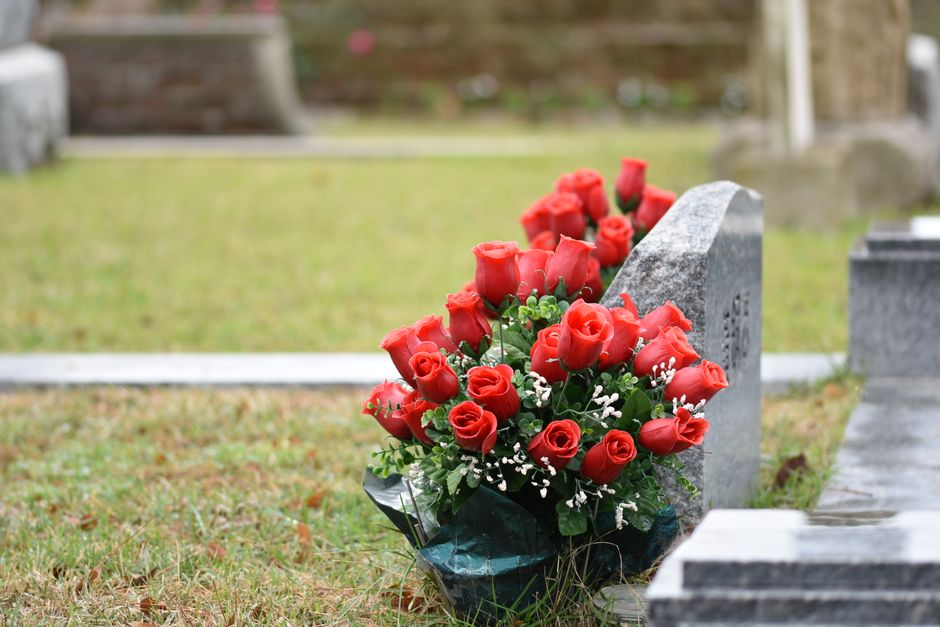
When funeral flowers arrive, the room can feel full of colour, scent, and memory all at once. Then the service ends, the tributes begin to fade, and many people are left wondering what to do next. If you are searching for Where to recycle funeral flowers Bickley Park, you are probably looking for a respectful, practical answer that still feels considerate to the person being remembered.
The good news is that funeral flowers do not have to go straight to waste. Depending on the condition of the flowers, the arrangement style, and how quickly you need to act, there are several sensible options: reusing blooms at home, donating them where appropriate, composting them, or arranging a more formal collection route for green waste. This guide explains what works, what to avoid, and how to make a choice that feels right in a local Bickley Park context.
Let's face it, this is not just about flowers. It is about timing, respect, and making a thoughtful decision when you may already have a lot on your mind.
Table of Contents
- Why it matters
- How the process works
- Key benefits and practical advantages
- Who this is for
- Step-by-step guidance
- Expert tips
- Common mistakes to avoid
- Tools, resources and recommendations
- Law, compliance, standards, or best practice
- Options and comparison
- Case study or real-world example
- Practical checklist
- Conclusion
- Frequently asked questions
Why Where to recycle funeral flowers Bickley Park Matters
Funeral flowers are usually chosen with care. Families often select wreaths, sprays, sheaves, cushions, or posies because they feel calm, dignified, and personal. Once the service is over, those arrangements still carry emotional weight. Throwing them away without a second thought can feel jarring. On the other hand, holding onto everything can become impractical very quickly. That is where a sensible recycling or reuse plan helps.
In Bickley Park, as in the rest of London, people tend to want two things at once: a respectful outcome and a straightforward one. The balance matters. If flowers can be donated to a care home, reused at home, or composted responsibly, you reduce waste and give the tribute a gentler afterlife. If they cannot be reused because they are wilted or damaged, there is still a dignified way to let them go.
There is also a practical side. Funeral arrangements often include mixed materials: ribbon, floral foam, wire, plastic sleeves, card picks, and cellophane. Those extras affect how and where the flowers can be recycled. A bouquet that looks simple on the outside may need a bit of disassembly before it is suitable for green waste or home compost. Not glamorous, admittedly, but necessary.
Expert summary: the best option is usually the one that matches the flowers' condition, the materials used in the arrangement, and how quickly you need to clear them. If you can separate reusable blooms from non-compostable materials, you will usually make a better outcome for both the environment and the people involved.
How Where to recycle funeral flowers Bickley Park Works
There is no single universal "recycling" route for funeral flowers. The right approach depends on what you mean by recycling. In everyday terms, people usually mean one of four things:
- Reuse: moving the flowers into smaller home arrangements or sharing them with others.
- Donation: passing them on to a setting where flowers are welcomed and appropriate.
- Composting: breaking flowers down into organic matter for garden use or green waste collection.
- Responsible disposal: separating the non-recyclable parts and disposing of them properly.
The process starts with a quick sort. Fresh roses, lilies, chrysanthemums, carnations, alstroemeria, and similar blooms can often be reused if they are still presentable. Packaging, ribbons, wires, and foam need a different treatment. If the arrangement includes floral foam, for example, you cannot just toss the whole thing into compost and hope for the best. That is the sort of detail that matters more than people expect.
For local households in Bickley Park, the most common practical path is to strip down the arrangement as soon as possible after the service. That tends to preserve the best stems for reuse and reduces the chance of a messy, overripe disposal later. A fresh arrangement on a cool morning is easier to work with than one left in a warm hallway for two days. You will notice the difference straight away.
When flowers are no longer suitable for reuse, composting becomes the neatest option if you have access to a garden compost setup or an appropriate green waste collection. If you do not, you may still be able to put the organic parts in garden waste, while removing everything synthetic first. The key is to separate materials carefully rather than treating the arrangement as one single item.
Key Benefits and Practical Advantages
Choosing a thoughtful route for funeral flowers is not just about being environmentally aware. It has real practical benefits, especially at a time when families may be looking for small ways to feel grounded.
- Less waste: more of the tribute is used in a meaningful way.
- More comfort: turning flowers into home arrangements can soften the shift after the service.
- Better environmental practice: composting or reuse reduces the amount sent to general waste.
- Cleaner clear-up: sorting materials early makes the final tidy-up easier.
- Respectful closure: many people find it reassuring to know the flowers were not simply binned.
There is also a human benefit that is harder to measure. Sometimes a vase of funeral flowers on a kitchen table brings a quiet sense of continuity. A few stems moved into smaller jars can keep the memory present without making the home feel overwhelmed. It is a small thing, but on a difficult week, small things matter.
If the flowers are destined for compost, the advantage is different but still real. Organic material returns to the soil instead of occupying space in landfill. That may sound like a technical point, but in practice it is just a sensible, grounded way of handling something delicate.
Who This Is For and When It Makes Sense
This topic is relevant to several kinds of people, and not all of them are directly arranging a funeral. You might be a family member trying to sort out flowers after a service. You might be a friend who wants to help in a practical way. You might even be supporting a church, chapel, crematorium collection point, or venue that needs to clear arrangements respectfully and efficiently.
It also makes sense when the flowers are still in good condition but no one has a clear plan for them. That is common. Grief has a way of making ordinary tasks feel oddly complicated. One minute you are looking at a beautiful wreath, the next you are wondering whether the ribbon can be removed, whether the white chrysanthemums can be saved, and where on earth the card messages should go. That is life, messy little details and all.
You will find this guide especially useful if:
- you want to reuse funeral flowers at home
- you need a respectful way to clear flowers after a service
- you are considering composting or green waste options
- you are helping an older relative or family member manage post-service arrangements
- you need to separate biodegradable items from foam, wire, or plastic
For some households, the answer is very simple: keep the flowers in water for a few more days and then compost them. For others, there is a more ceremonial approach, such as sharing bouquets among family members. Both are valid. What matters is that the choice fits the moment.
Step-by-Step Guidance
Here is a clear, practical way to approach funeral flower recycling in Bickley Park without overthinking it.
- Remove the flowers from the tribute carefully. If the arrangement is tied into a wreath, spray, or posy, lift it gently so stems do not snap or bruise further.
- Check the condition of the blooms. Anything fresh enough to display should be set aside for reuse. Anything drooping, browned, or damaged may be better suited to composting or disposal.
- Separate non-organic materials. Remove plastic sleeves, tape, ribbon clasps, wire frames, cards, and any foam. This is the part most people forget. It matters a lot.
- Trim stems and refresh water. If you are keeping the flowers, cut stems at an angle and place them in clean vases or jars. A simple jug can do the job just fine.
- Share or redistribute where appropriate. Smaller arrangements can go to family members, neighbours, or places that welcome flowers, provided it feels appropriate and respectful.
- Compost the organic waste. Leaves, petals, and stems can often go into compost if they are free from synthetic materials.
- Dispose of the rest responsibly. Anything not suitable for composting should be placed in the correct waste stream.
A good rule of thumb: deal with the tribute as soon as you reasonably can, ideally the same day or the next morning. Freshness is your ally here. Once flowers begin to soften, the options narrow. Timing matters more than people think.
If you are handling multiple arrangements, sort them by type. A wreath, a casket spray, and a hand-tied bouquet will each have different components. A spray might be easier to break down than a tribute with a rigid base. A hand-tied bouquet may simply need a trim and a vase. Keeping the process calm and methodical helps. No need to rush like you are defusing a bomb.
Expert Tips for Better Results
In practice, the best results come from a few simple habits that make the whole process easier and cleaner.
- Work on a table covered with paper or a towel. You will catch loose petals and keep things from getting slippery.
- Use sharp scissors or floral shears. Clean cuts are kinder to the stems and easier on your hands.
- Keep a separate box for non-recyclable parts. This stops wires, pins, and plastic from ending up in the wrong place.
- Do the sorting before the flowers collapse. Fresh blooms are more likely to be reusable.
- Choose a cool room if you need to wait a few hours. Heat shortens the life of the flowers fast, especially near radiators or sunny windows.
- Use small vessels for leftover stems. Jam jars, slim vases, and recycled glass bottles work well for sharing flowers around the home.
One thing we often advise is to think in terms of "best use" rather than "perfect reuse". A slightly faded lily may still be lovely in a smaller arrangement. A rose with one bruised outer petal can often be saved with a quick trim. You do not need museum standards here. You just need a respectful, realistic approach.
And if the arrangement includes mixed seasonal blooms, such as chrysanthemums or carnations, those often last better than softer flowers. That can give you a bit more flexibility. Nice when that happens.
Common Mistakes to Avoid
Most problems with funeral flower recycling happen because people are rushed, tired, or trying to keep things simple. Fair enough. Still, a few avoidable mistakes show up again and again.
- Putting the whole arrangement into compost: foam, wire, tape, and plastic do not belong there.
- Waiting too long: once flowers have fully wilted, reuse becomes much harder.
- Assuming all "natural-looking" materials are biodegradable: some decorative wraps and ribbons are synthetic.
- Forgetting the tribute base: wreath rings, oasis blocks, and trays often need separate handling.
- Overloading a vase: too many stems in one small container causes crowding and faster decay.
- Not checking the wishes of close family members: if the flowers are linked to a personal tribute, it is wise to ask before redistributing them.
A subtle but important mistake is treating every funeral flower arrangement the same. A church display, a family tribute, and a floral letter all have different structures. That affects what can be reused and what should be separated. It sounds obvious written down, yet in the moment it is easy to miss.
Tools, Resources and Recommendations
You do not need specialist equipment to recycle funeral flowers well. A few basic household items are enough.
- Sharp scissors or secateurs: for clean stem cuts
- Two containers: one for reusable blooms, one for waste
- Paper or a cloth sheet: to protect the surface while sorting
- Gloves: useful if you are dealing with wire, thorns, or sticky floral foam residue
- Small vases or jars: ideal for dividing flowers among family members
- Compost bin or green waste caddy: for organic material where available
If you are ordering funeral flowers in the first place, it helps to choose a florist that already thinks about the lifecycle of arrangements. Some styles are easier to dismantle and reuse than others. A simple spray, wreath, or posy may be easier to manage than a heavily foamed display with lots of plastic accessories. If you need flower options that are easier to repurpose later, you might also look at funeral flowers in Bickley BR1 and compare the different tribute styles available.
For families who want flowers to last a little longer at home after the service, it can also help to understand care basics. A guide such as flower care can be useful for keeping stems fresh for a few more days before you decide on composting or disposal.
If you are planning ahead for a funeral and want something more specific, it can be worth browsing the broader range of tribute styles, including tributes and wreaths. That makes it easier to choose a form that suits both the service and the later handling.
Law, Compliance, Standards, or Best Practice
There is no special legal rule that says funeral flowers must be recycled in a particular way. In practice, the main considerations are ordinary household waste handling, local collection rules, and common-sense separation of materials. That said, good practice matters.
If flowers are being composted or placed in garden waste, the key is to remove anything non-organic first. Floral foam, synthetic ribbons, plastic wrapping, metal pins, and wired frames should not go into compost. Local collection services can differ, so if you use a green waste system, it is sensible to follow the relevant collection guidance for what is accepted. That is the safest approach and the least messy one too.
For venues and families, best practice usually means:
- sorting materials promptly after the service
- keeping reusable flowers in water as soon as possible
- removing cards and personal messages before redistribution
- disposing of sharp or rigid items separately
- avoiding contamination of compostable waste with plastics or foam
If you are working with flowers at a church, memorial venue, or reception space, respectful handling is just as important as waste handling. In many settings, that means keeping things tidy, quiet, and unhurried. No dramatic tearing-down, no clutter left behind, just a calm tidy-up. Simple, but it makes a difference.
Options, Methods, or Comparison Table
People often ask which option is "best". Truth be told, the best option depends on the state of the flowers and what you want to achieve. Here is a practical comparison to help.
| Method | Best for | Pros | Watch-outs |
|---|---|---|---|
| Reuse at home | Fresh blooms and meaningful family keepsakes | Beautiful, personal, immediate | Needs water, vases, and quick handling |
| Sharing or donation | Suitable flowers that are still attractive | Extends the life of the tribute | Should only be done where appropriate and welcome |
| Composting | Organic stems, petals, and leaves | Low waste, environmentally sensible | Requires removal of foam, wire, and plastic |
| General disposal | Damaged or contaminated arrangements | Simple and final | Less environmentally friendly |
For many households, a mixed method works best. Keep the nicest flowers, compost what you can, and responsibly dispose of the rest. That is often the real-world answer. Not perfect, but practical.
Case Study or Real-World Example
Here is a realistic example from a typical Bickley Park household scenario.
A family receives several funeral tributes after a service: one large wreath, two hand-tied bouquets, and a sympathy basket. By the next morning, the bouquets are still in reasonable shape, but the wreath has started to dry at the edges. Instead of leaving everything in one heap, they split the work into three parts.
The bouquets are trimmed and placed in small vases around the home. One goes to a front windowsill, another to the dining table. The sympathy basket is disassembled carefully; the reusable roses are kept, while the liner and foam are separated out. The wreath is checked, and the best blooms are removed for a smaller arrangement. The rest is put into green waste after all synthetic pieces are taken off.
What changed? The flowers lasted longer, the house felt calmer, and the clear-up was much less overwhelming. One family member said it helped to see "the same flowers, just in a different form." That feels about right. It is a small thing, but small things can carry a lot after a funeral.
This kind of approach also avoids the awkward half-way stage where flowers sit around getting more tired by the hour. Better to make a decision than leave the arrangement in limbo for a week. We have all done that with things, and usually it ends in a more stressful tidy-up than necessary.
Practical Checklist
Use this checklist when deciding what to do with funeral flowers:
- Check whether the flowers are still fresh enough to reuse
- Separate blooms from foam, wire, plastic, and ribbon
- Remove cards and personal messages before sharing them
- Trim stems and place reusable flowers in clean water
- Decide whether to keep, donate, compost, or dispose of each part
- Use a cool room if you need a short delay before sorting
- Keep sharp or rigid items out of compost and green waste
- Ask close family before redistributing tribute flowers
- Handle the arrangements calmly and respectfully
- Clear away everything once the flowers have passed their best
If you want a very short rule to remember, it is this: save the fresh, separate the synthetic, and compost the organic. That usually covers the basics very well.
Conclusion
For anyone asking where to recycle funeral flowers in Bickley Park, the answer is usually less about a single location and more about a sensible process. Some flowers can be reused in the home. Some can be shared. Some can be composted. And some, once the materials are separated, simply need to be disposed of carefully and respectfully.
The best approach is the one that balances dignity, practicality, and timing. If you act promptly, remove the non-organic parts, and choose the right route for each arrangement, you can give the flowers a more meaningful second life. That is often a quiet comfort after a difficult day.
Get a free quote today and see how much you can save.
And if the flowers on your table still catch the light tomorrow morning, even just for a moment, that can be enough.
Frequently Asked Questions
Where can I recycle funeral flowers in Bickley Park?
There is usually no single dedicated drop-off point for funeral flowers. Most people in Bickley Park reuse the flowers at home, share them, compost the organic parts, or dispose of the non-recyclable materials separately. The best route depends on the arrangement and its condition.
Can funeral flowers be put in compost?
Yes, the organic parts usually can be composted if you remove floral foam, ribbon, plastic, wire, and other synthetic items first. Petals, stems, and leaves are the parts most suitable for composting.
What should I do with the flower foam in a funeral tribute?
Floral foam should not go into compost. Remove it from the arrangement and dispose of it according to local waste guidance. It is one of the main things people miss when clearing funeral flowers.
Is it respectful to reuse funeral flowers at home?
Yes, it is generally considered respectful if the family is comfortable with it. Many people find comfort in bringing the flowers home and letting them continue a little longer in smaller vases.
How soon should I sort funeral flowers after the service?
Ideally, sort them the same day or the next morning. Flowers stay fresher and easier to reuse when they are handled quickly, especially in warmer rooms.
Can I give funeral flowers to a care home or hospital?
Sometimes, but only if the setting welcomes them and the flowers are suitable. It is best to ask first rather than assume. Some places have preferences or restrictions.
What parts of a funeral arrangement are usually recyclable?
Fresh stems, petals, and leaves are usually the easiest parts to reuse or compost. Wreath bases, wires, plastic wraps, pins, and foam are usually not recyclable in the same way.
Do all funeral flowers need to be thrown away after the service?
No. Many can be reused, shared, or composted. A full disposal is usually only necessary when the flowers are too damaged or contaminated to separate sensibly.
What is the easiest way to clear funeral flowers without making a mess?
Set up two containers, one for reusable flowers and one for waste. Work on a covered surface, remove synthetic parts first, and trim the stems as you go. It saves a lot of fuss later.
Are wreaths harder to recycle than bouquets?
Often, yes. Wreaths usually have more structural material, so they can take longer to break down. Bouquets are generally easier to trim, re-vase, and compost.
Can dried funeral flowers still be recycled?
Sometimes. If they are fully dried and clean, they may still be suitable for decorative reuse or composting, depending on the materials used. If they are brittle and mixed with foam or wire, disposal may be simpler.
Where can I find funeral flower options that are easier to manage later?
When choosing tributes, it can help to look at simpler styles and ask about the materials used. Pages such as funeral flowers in Bickley BR1, sympathy flowers, and funeral tributes can help you compare options before ordering.