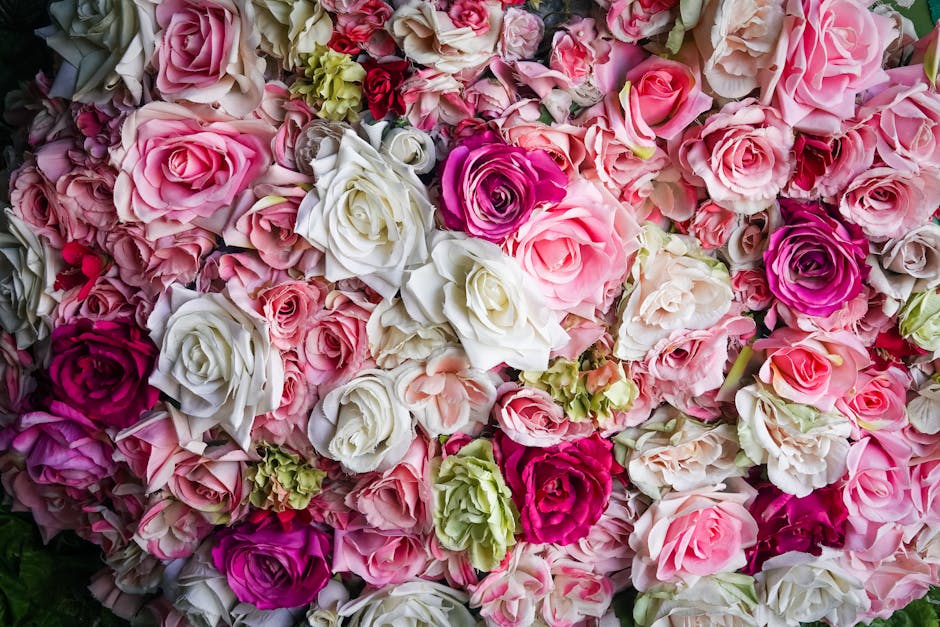
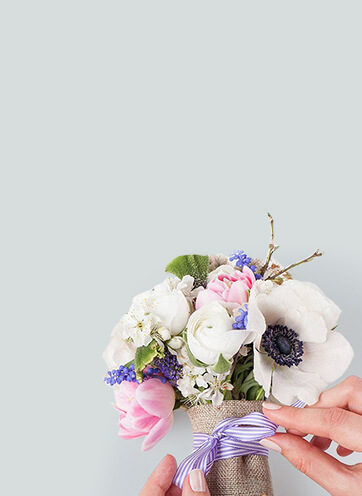
Top florists for weddings Bickley Park Road
Posted on 26/09/2026
Planning wedding flowers can feel strangely personal. One minute you are thinking about bouquets and buttonholes, the next you are trying to picture how everything will look in soft daylight, at the ceremony, on the tables, and in those last photos before the guests sit down. If you are searching for Top florists for weddings Bickley Park Road, you probably want more than a pretty arrangement. You want reliability, calm advice, good taste, and flowers that actually hold up on the day. Fair enough.
This guide walks you through what to look for, how wedding floristry works in practice, what separates a polished florist from a risky choice, and how to plan with confidence. It is written for couples, families, and planners who want something beautiful but also sensible. Because let's face it, a wedding is not the place for guesswork.
Table of Contents
- Why Top florists for weddings Bickley Park Road Matters
- How Top florists for weddings Bickley Park Road Works
- Key Benefits and Practical Advantages
- Who This Is For and When It Makes Sense
- Step-by-Step Guidance
- Expert Tips for Better Results
- Common Mistakes to Avoid
- Tools, Resources and Recommendations
- Law, Compliance, Standards, or Best Practice
- Options, Methods, or Comparison Table
- Case Study or Real-World Example
- Practical Checklist
- Conclusion
- Frequently Asked Questions
Why Top florists for weddings Bickley Park Road Matters
Wedding flowers do a lot of quiet work. They set the tone before anyone has said a word, they frame the ceremony, and they carry through into the photos long after the last toast. On Bickley Park Road and the surrounding BR1 area, that matters even more because couples often want a mix of local convenience, stylish presentation, and straightforward service without endless back-and-forth.
Choosing the right florist is not just about picking a bouquet you like on a screen. It is about trusting someone to interpret your style, work to your timings, and understand how wedding logistics actually unfold. The best wedding florists will know how to balance romance with practicality. For example, a bouquet that looks lush in the morning may need different handling if your ceremony is later in the day, especially in warmer weather or if the venue involves travel between locations.
That is why people search specifically for the top florists for weddings in this area rather than simply "a florist." They want a specialist who understands wedding-specific details: bridal bouquets, bridesmaid bouquets, buttonholes, table arrangements, venue styling, and delivery sequencing that does not make the couple frantic before the ceremony. Small thing? Not really. A florist who gets this can save you a lot of stress.
There is also a local advantage. A florist serving Bickley Park Road is more likely to be familiar with local delivery patterns, access issues, parking realities, and the typical pace of nearby wedding mornings. Not glamorous, perhaps, but genuinely useful.
How Top florists for weddings Bickley Park Road Works
Wedding floristry is usually a step-by-step process, though every florist has their own rhythm. In practice, it starts with a conversation about the wedding style, colour palette, season, venue, and budget. Then the florist will suggest flowers and arrangements that fit the plan and the day's practicalities.
A strong wedding florist usually works in phases:
- Initial consultation: You discuss your vision, guest count, venue, and what floral pieces you need.
- Style matching: The florist helps translate your ideas into a workable design. This might include classic roses, modern mixed blooms, or something softer and seasonal.
- Proposal and quotation: You receive a breakdown of likely pieces, style direction, and delivery expectations.
- Refinement: Details are adjusted so the flowers complement the dress, venue, and colour scheme without overpowering anything.
- Preparation and delivery: The arrangements are made fresh, transported carefully, and delivered in line with the wedding schedule.
What does that mean for you? It means the florist is not just selling flowers. They are managing timing, presentation, freshness, and consistency. A good one will ask smart questions too. How many bridesmaids? Is there a church service and then a reception elsewhere? Are the table settings tight and formal or more relaxed and open? Those details change the flower plan more than people often expect.
You may also notice that wedding florists differ in how bespoke they are. Some offer clearly defined collections, which can be ideal if you want a streamlined process. Others build everything from scratch for a more tailored result. Neither is automatically better. The right fit depends on how much decision-making you want to do.
Key Benefits and Practical Advantages
The best wedding florists provide more than beautiful stems. They bring structure to a busy part of the planning process, and that can be worth a lot when the wedding date is approaching fast.
- Consistency across the day: Bouquets, ceremony flowers, and reception arrangements can feel visually linked rather than patched together.
- Better use of budget: Experienced florists know where a few standout pieces will have more impact than lots of small extras.
- Freshness and longevity: Flowers can be chosen and conditioned with the wedding timeline in mind.
- Design confidence: You do not have to guess which blooms work together. A florist can guide the mix and proportions.
- Less day-of stress: Delivery, setup, and collection details are usually handled with care.
- Seasonal awareness: Seasonal flowers often look better and feel more natural, and sometimes they are easier on the budget too.
There is also a subtle emotional benefit. When the flowers are right, the whole day feels more considered. You might not think about the boutonniere itself in the moment, but you will feel the effect when everything looks coherent and calm. That is the real value. Tiny details, big impact.
Expert summary: The strongest wedding florists are not just creative. They are organised, calm under pressure, and good at matching style with logistics. If a florist can talk through both the look and the timing, you are in much safer hands.
Who This Is For and When It Makes Sense
This kind of florist is ideal for couples who want their wedding flowers to feel polished and intentional without having to micromanage every stem. If you are planning a local ceremony, a nearby reception, or a full-service wedding day in and around Bickley Park Road, a specialist florist is usually the sensible route.
It also makes sense if you care about one or more of these things:
- you want a bouquet that matches your dress and overall theme
- you need multiple arrangements, not just a single hand-tied bunch
- you are working to a fixed schedule and want dependable delivery
- you prefer seasonal flowers and want advice on what will look best
- you need help deciding between elegant minimalism and fuller, more romantic designs
It is especially useful for people who have a strong vision but not much time. Truth be told, many couples know the mood they want but not the flower names. That is normal. You may say "soft, romantic, not too much pink" and the right florist will understand you immediately. Or at least, they should.
This service is less suited to someone who only wants a last-minute single bouquet and no guidance at all. For weddings, a florist's real value shows up when there are several moving parts. If it is just one arrangement, you may not need the full wedding specialist approach. But if there is a ceremony, a reception, and family members to pin flowers on, you very likely do.
Step-by-Step Guidance
If you want the process to feel manageable, break it down. Most wedding flower plans become easier once you stop thinking about "flowers" in general and start thinking in sections.
1. Define the floral scope
Start by listing what you actually need. At minimum, this may include the bridal bouquet, bridesmaid bouquets, groom's buttonhole, and a few table pieces. Bigger weddings may also need corsages, ceremony urns, aisle flowers, flower crowns, or large feature arrangements.
Be honest here. It is easy to add extras because they sound nice. But every added item has a cost and a delivery implication.
2. Choose the overall style
Decide whether you want classic, contemporary, rustic, romantic, bold, or very simple. If you are unsure, look at the venue and your outfit first. A grand setting usually suits a more structured look; a relaxed venue often works well with loose, garden-style flowers.
3. Think seasonally
Seasonal flowers often feel fresher and more natural. They can also reduce the risk of disappointment if you fall in love with something out of season. A good florist can suggest alternatives that give a similar feeling without forcing a fragile plan.
4. Set your budget honestly
You do not need a perfect number, but you do need a realistic one. Tell the florist what matters most: bouquet quality, venue impact, or full ceremony coverage. That helps them allocate spend where it will be most visible.
5. Confirm delivery details early
Wedding mornings get busy very quickly. Confirm address, access, preferred delivery window, and who will receive the flowers. If the flowers need setting up at a venue, ask whether that is included. Do not assume. Ask.
6. Review the proposal carefully
Look for clarity on quantities, flower types, colours, and any substitution policy. If a flower becomes unavailable, you want to know how it will be replaced. A florist with a sensible substitution approach is usually a safer bet than one making unrealistic promises.
7. Finalise the day-before or week-of plan
A few days before the wedding, check timings again. If your schedule changes, let the florist know quickly. That single phone call can save a lot of last-minute faff.
One small note from real-world experience: the simplest floral plans often hold together best on the day. That does not mean plain. It means clear.
Expert Tips for Better Results
Here is where the little details matter. Top wedding florists tend to think in layers, not just in colours.
- Match bouquet scale to the dress: A very full bouquet can overwhelm a delicate dress, while a tiny bouquet can disappear against a dramatic gown.
- Think about photographs: Flowers show up differently on camera. Pale shades can read beautifully in soft light, while very dark colours can look striking but need careful balancing.
- Ask about flower conditioning: Freshness is not only about the day of delivery. Proper conditioning beforehand matters a lot.
- Choose a focus flower and a support cast: A strong focal bloom with supporting flowers often looks more refined than a mix of everything.
- Keep transport in mind: If flowers are travelling between home, church, and venue, sturdier designs may be smarter.
A useful question to ask a florist is: "What would you suggest if this were your own wedding?" That usually leads to a very honest answer. Another good one is: "What would you avoid?" Because the answer to that can tell you more than a glossy brochure ever will.
And yes, smell matters too. The scent of fresh roses, lilies, or seasonal blooms can completely change how a room feels. Just be careful with strongly scented flowers in enclosed spaces, especially if any guests are sensitive. A thoughtful florist will know how to balance beauty with comfort. That little bit of judgement goes a long way.
Common Mistakes to Avoid
Most wedding flower problems are avoidable. The issue is usually not the florist alone; it is the planning assumptions.
- Ordering too late: Good wedding florists can book up, especially for busy dates and weekends.
- Ignoring venue scale: Flowers that suit a small room may vanish in a large one, and the reverse is also true.
- Choosing only from photos: Pictures help, but they can hide scale, density, and the true tone of colours.
- Being vague about budget: "Something nice" is not enough. A range is much more useful.
- Forgetting buttonholes and corsages: These small items are easy to overlook, then suddenly you are scrambling.
- Not asking about substitutions: Seasonal availability changes. That is normal. The key is knowing how the florist handles it.
A common one, and a very human one, is falling in love with a floral style that looks gorgeous online but simply does not suit the venue or season. Happens all the time. It is not a mistake to like beautiful things. The mistake is forcing every beautiful thing into the same wedding.
Also, do not assume "luxury" always means better. Sometimes a cleaner design with fewer flower types looks more elegant than a dense arrangement trying a bit too hard. Subtle can win. Quite often, actually.
Tools, Resources and Recommendations
You do not need fancy software to plan wedding flowers, but a few simple tools will help you make better decisions and keep conversations with your florist focused.
- Mood board: Save images that show the feeling you want, not just individual bouquets.
- Venue photos: Take pictures of the ceremony and reception spaces in natural light if you can.
- Guest list notes: Helps when working out buttonholes, corsages, and table counts.
- Colour swatches: Useful for matching flowers to dresses, linens, ribbons, or decor accents.
- Timeline sheet: A simple note of when the flowers need to arrive, be pinned, and be placed.
If you are comparing wedding options alongside everyday flower needs, it can help to look at a florist's broader range too. For example, a local shop with a strong wedding collection and dependable everyday service often shows consistent standards. You can explore the wider selection through pages like wedding flowers collection and wedding flowers in Bickley BR1, which can be useful when you want to see how a florist handles both specialist and general floral work.
For practical day-to-day ordering beyond the wedding itself, a page such as flower delivery in Bickley BR1 can help you understand style range and service reliability. It is a small clue, but a helpful one.
Law, Compliance, Standards, or Best Practice
Wedding floristry is not a heavily regulated profession in the way some other industries are, but there are still important standards and good practices to expect. A professional florist should be clear about pricing, delivery expectations, payment terms, and any conditions that apply to substitutions, cancellations, or refunds.
In the UK, a trustworthy florist will usually provide clear order information before payment and communicate practical limits honestly. That means being upfront if a flower is seasonal, if a design is weather-sensitive, or if a venue setup requires extra time. It also means handling personal details carefully when you are sharing addresses, contact numbers, and wedding plans.
Best practice also includes sensible sustainability choices where possible, such as reducing unnecessary waste, using seasonal flowers, and managing packaging responsibly. If sustainability matters to you, ask how arrangements are sourced and transported. A good florist should not be awkward about that question.
Accessibility is another quiet but important point. If elderly guests, disabled guests, or family members are involved in receiving or moving flowers, the arrangements should be manageable and safe. A heavy pedestal piece is lovely, but not if no one can lift it without drama.
When comparing florists, look for plain-language policies and clear communication. It is not flashy, but it is a sign of professionalism. And honestly, professional communication is underrated in weddings. Very underrated.
Options, Methods, or Comparison Table
Different floristry approaches suit different weddings. Here is a simple comparison to help you decide what matters most.
| Approach | Best for | Strengths | Watch-outs |
|---|---|---|---|
| Ready-made wedding collection | Couples who want a simpler process | Clear choices, easier budgeting, faster decisions | Less customisation, fewer design tweaks |
| Bespoke wedding design | Couples with a strong visual vision | Highly tailored, more creative flexibility | Can take longer to plan, pricing may vary more |
| Seasonal florist-led selection | Those open to expert guidance | Fresh, practical, often beautifully balanced | You need trust and flexibility |
| Minimal floral package | Small weddings or tighter budgets | Focused spend, less complexity | Less visual impact across a large venue |
If you are unsure which route suits you, ask yourself one question: do you want control, convenience, or a bit of both? That answer tends to point you in the right direction.
For couples who prefer a more guided option, a florist's curated ranges can be a good middle ground. For instance, browsing the floral styles in White Wonders wedding collection or The Perfect Match wedding collection can give you a sense of tone, structure, and how a florist packages a wedding look without making the process overly complex.
Case Study or Real-World Example
Picture a couple planning a late spring wedding with a church ceremony and a small reception nearby. They wanted something elegant, not too formal, and they were worried the flowers might look too busy against the venue's stone interior.
Instead of choosing lots of different arrangements, they worked with a florist to keep the design focused: a soft bridal bouquet, matching bridesmaid bouquets, simple buttonholes, and a few understated table pieces. The florist suggested a mix of seasonal blooms with a gentle colour palette, which meant the flowers looked fresh in daylight and still felt cohesive in photographs taken later in the afternoon.
The couple also asked about delivery timing, which turned out to be a smart move. Because the ceremony and reception were in different places, the florist scheduled everything so the bouquets arrived first, then the buttonholes, then the table flowers. No panic. No one standing in a doorway wondering where the groomsman has gone with the corsages.
The takeaway was simple: they did not need the most elaborate floral package. They needed the right one. By keeping the design aligned with the venue and the schedule, the flowers supported the day rather than competing with it. That is the kind of outcome you want.
Practical Checklist
Use this before you book or confirm your wedding flowers.
- Have I listed every floral item we need?
- Do I know the wedding style and colour direction?
- Have I set a realistic budget range?
- Does the florist understand the venue and timing?
- Have I asked which flowers are seasonal or subject to substitution?
- Do I know how delivery, setup, and collection will work?
- Have I checked the bouquet size against the dress and bridesmaid outfits?
- Are buttonholes, corsages, and table flowers included where needed?
- Have I looked at the florist's other ranges and service pages for consistency?
- Do I feel comfortable with the communication so far?
If you can tick most of those off, you are already ahead of the game. Not every wedding plan needs to be perfect. It just needs to be clear enough to hold together on the day.
Conclusion
The best Top florists for weddings Bickley Park Road are the ones that combine creativity with steadiness. They understand style, but they also understand wedding logistics, timing, and the small pressures that come with a big day. That mix is what makes the difference.
Whether you want something classic, contemporary, softly seasonal, or fully bespoke, the key is choosing a florist who listens properly, explains things clearly, and helps you make decisions without stress. Good wedding flowers should feel beautiful, yes, but they should also feel easy to live with while everything else is going on around you.
Take your time, ask the practical questions, and trust the florist who makes the process feel calm and clear. That is usually the one worth keeping.
Get a free quote today and see how much you can save.
Frequently Asked Questions
How far in advance should I book a wedding florist in Bickley Park Road?
Ideally, book as soon as your date and venue are confirmed. Popular wedding dates can go quickly, and early booking gives you more choice on style, flowers, and delivery arrangements.
What should I ask a wedding florist before booking?
Ask about availability, flower seasonality, delivery times, substitution policies, and whether setup is included. It also helps to ask what they would recommend for your budget and venue size.
Do wedding florists only do bouquets?
No. Most wedding florists also supply buttonholes, bridesmaid bouquets, ceremony flowers, table arrangements, corsages, and sometimes venue styling pieces.
Can I get seasonal flowers for my wedding?
Yes, and it is often a very sensible choice. Seasonal flowers can look more natural, be easier to source, and sometimes give you better value too.
How do I match my flowers to my wedding venue?
Think about the venue's scale, lighting, and overall style. A grand room may suit fuller arrangements, while a smaller space often looks better with simpler designs and softer proportions.
What if my favourite flower is not available?
A good florist will suggest alternatives that capture the same feel without forcing the design. This is normal in wedding floristry, especially with seasonal flowers.
Are bespoke wedding flowers always better than collections?
Not always. Bespoke designs give more flexibility, but a curated collection can be cleaner, quicker, and easier to manage. The better choice depends on your priorities.
How much should I budget for wedding flowers?
Budgets vary a lot depending on the number of arrangements, flower types, and venue size. A useful approach is to decide what matters most and tell the florist your range upfront.
Can wedding flowers be delivered to more than one location?
Yes, many florists can arrange this. If your ceremony and reception are separate, make sure the florist knows early so the delivery plan is built around the day's timings.
Do I need matching flowers for bridesmaids and buttonholes?
No, but coordination usually helps the whole wedding feel more polished. The key is harmony, not identical pieces. Small differences can look very elegant.
What is the most common mistake couples make with wedding flowers?
Probably leaving the planning too late or being too vague about budget and style. Clear direction makes it much easier for the florist to create something that fits the day properly.
How do I know if a florist is reliable?
Look for clear communication, sensible answers to practical questions, and a proposal that is easy to understand. Reliability often shows up in the small details rather than the flashy ones.
Should I choose flowers based on photos I see online?
Use photos as inspiration, not a strict blueprint. Images are helpful for style, but your venue, season, and budget should guide the final plan.
Can I keep my wedding flowers after the day?
Sometimes, yes. Some arrangements can be repurposed or taken home, though freshness and condition matter. Ask your florist how best to handle them after the event.